Bringing the ocean's forces into focus
The ocean is relentless, and so is the search for new clean energy sources. Tidal energy holds promise for its reliable, renewable power generation, but critics point to an unanswered question: how does it affect marine life?
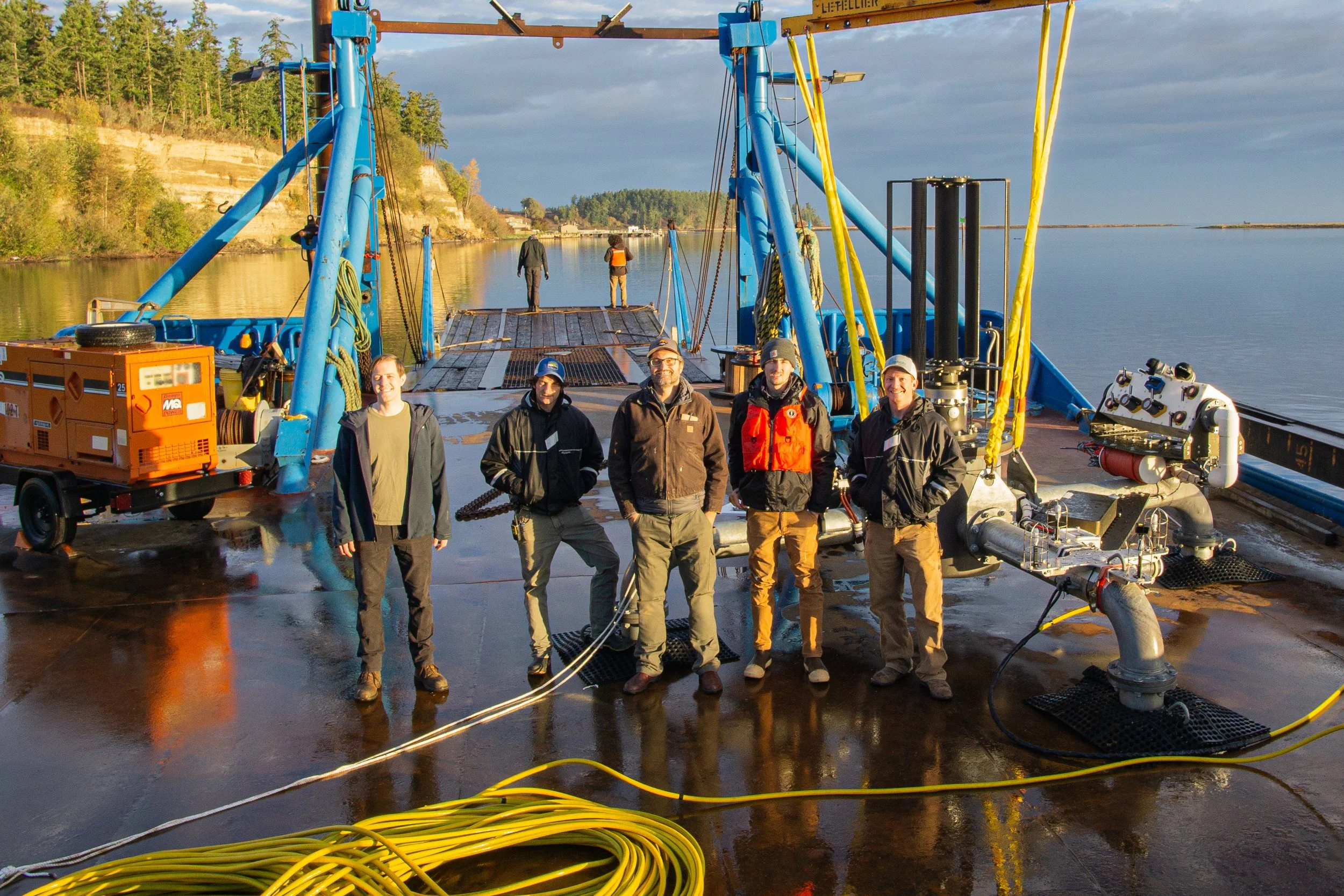
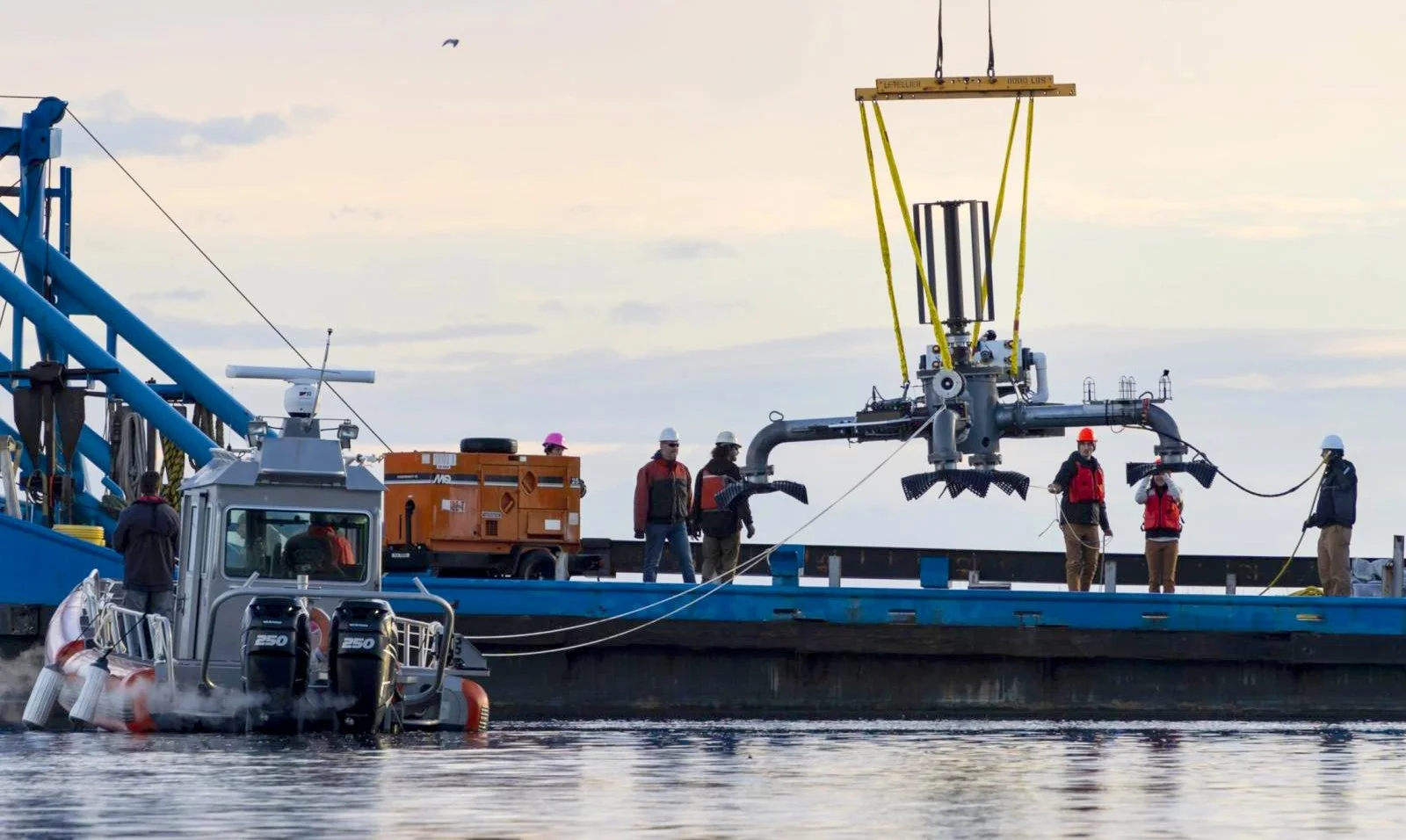
For researchers at Pacific Northwest National Laboratory (PNNL) and the University of Washington's Applied Physics Lab (UW-APL), answering that question meant keeping an unblinking eye underwater, recording and analyzing how fish and other organisms behave around an active tidal turbine. It's a critical step in proving that tidal energy can be effective and environmentally responsible.
Monitoring marine life in the open ocean is notoriously difficult. Powerful currents, shifting sediments, and endless biofouling can result in untenable maintenance costs and unreliable data. Common methods require researchers to sift through endless hours of disjointed footage, manually identifying obscured moments when sea life may have interacted with a turbine. Researchers needed a better way: a system that could withstand months in a harsh marine environment, capturing consistent high-quality footage in all conditions and automatically detecting marine life interactions.
Smarter monitoring in extreme environments
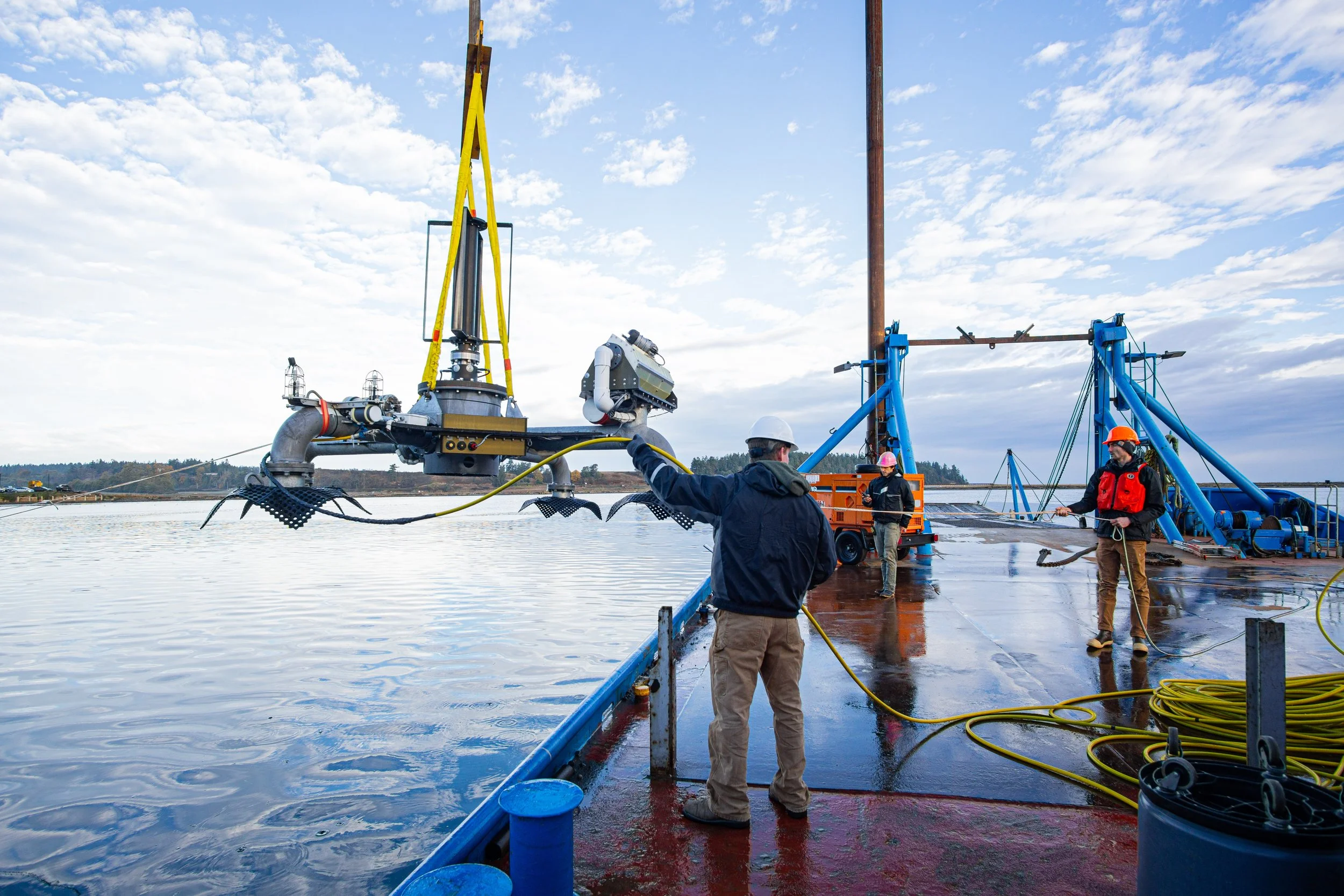
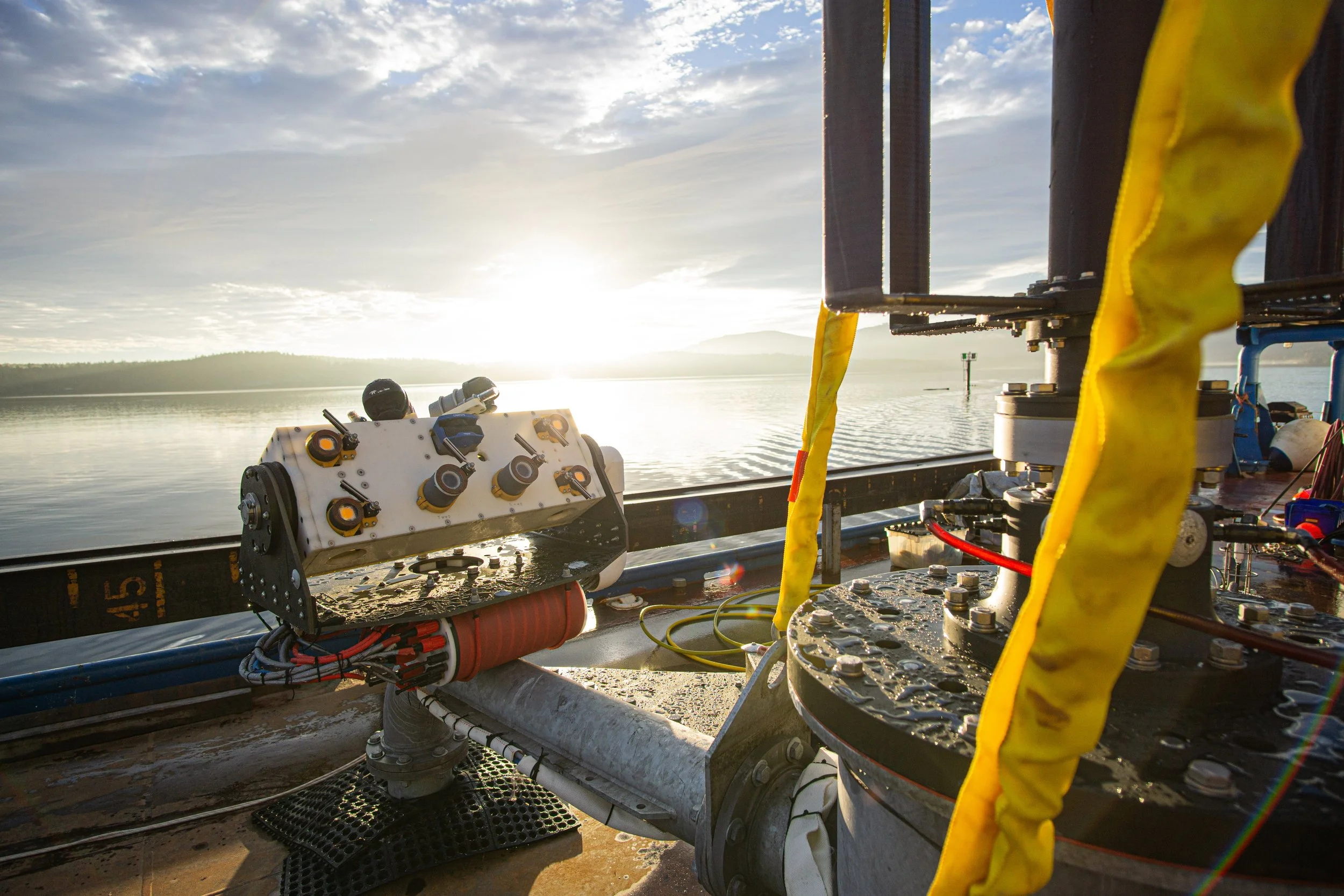
A spinout from UW-APL, MarineSitu had already been building durable, long-term underwater monitoring solutions with applications like this in mind. Their Adaptable Monitoring Package (AMP) was exactly what PNNL and UW-APL needed: a reliable high-resolution camera and sensor system tough enough to survive the high currents and corrosion of a tidal energy site at a low cost.
But this wasn't just about installing cameras and pressing record. MarineSitu worked closely with the research teams to create custom machine-learning models that could recognize and track ocean life as it moved through the turbine's field of influence. The AMP didn't just collect data, it made sense of it, using custom detection models to pull out objects of interest while ignoring irrelevant information, reducing the volume of data requiring review significantly.
"The impact is clear. Our experience is that outputs from MarineSitu models generally took considerably less time to review with some days requiring as little as an hour or two. As opportunities to gather and analyze more data occur we anticipate the gains will be even more significant."
Chris Bassett, Research Scientist/Engineer Principal, University of Washington Applied Physics LaboratoryBuilt to handle everything the ocean churned up
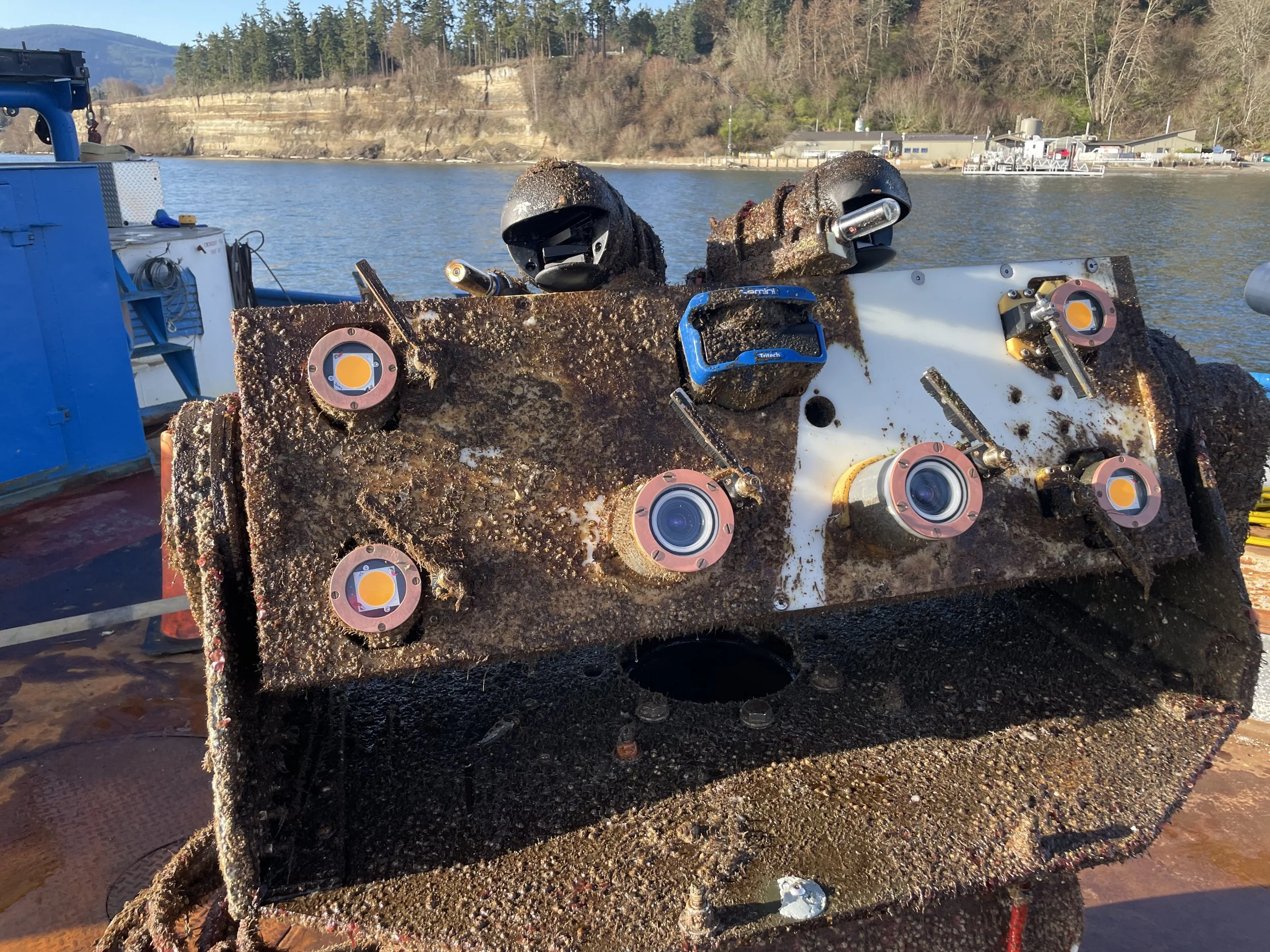
Imaging sonars provided visibility even in murky water, while antifouling measures kept camera lenses, lights, and imaging sonars clear for months at a time. And because the AMP continuously improved its machine-learning models, the longer it operated, the smarter it became.
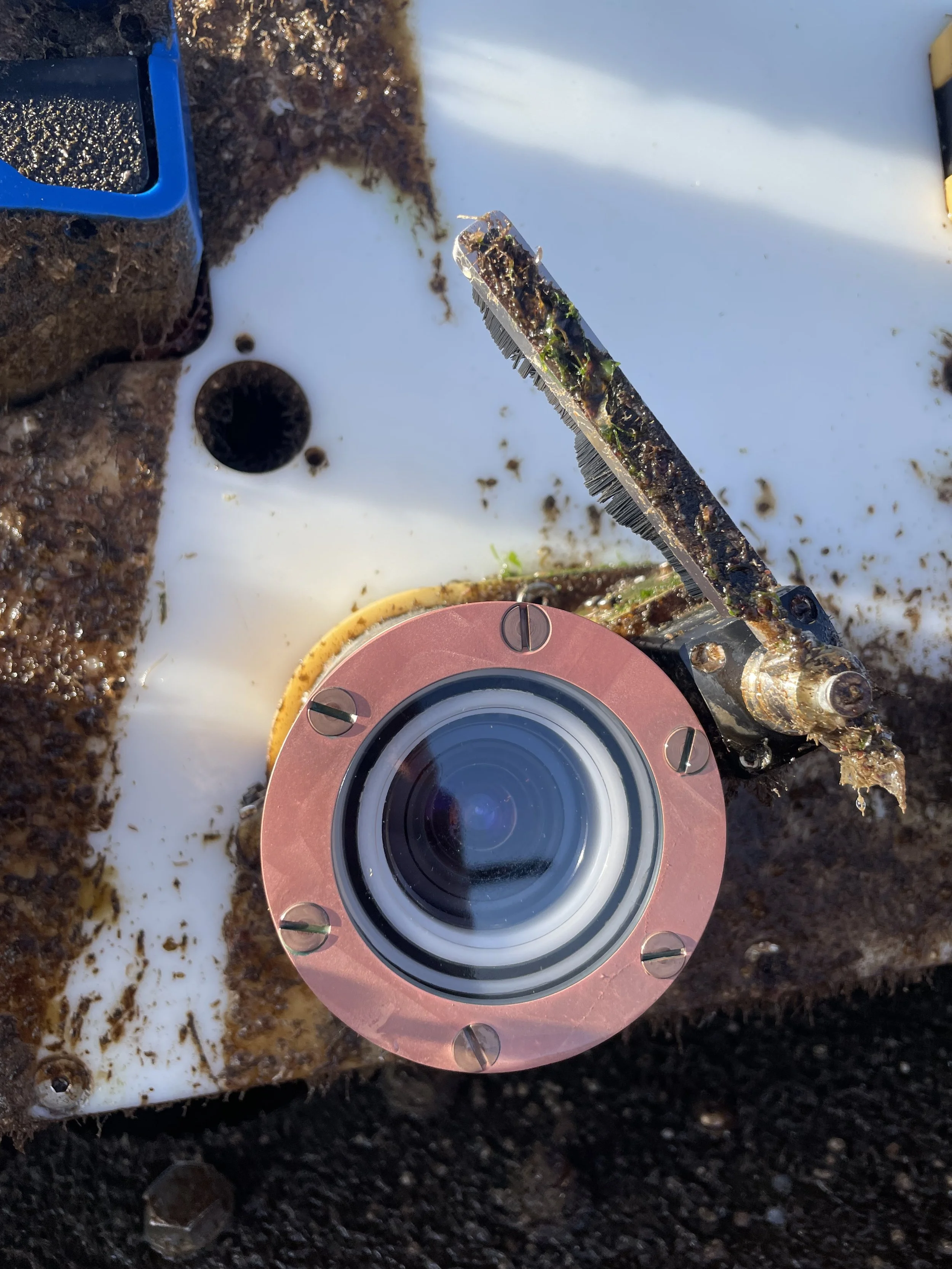
"Fouling mitigation solutions proved extremely effective for the system. All components without anti-fouling measures were recovered with macroalgae and barnacles, with levels of fouling consistent with expectations for the 141-day deployment in the region. The mechanical wipers kept the optical ports entirely free of fouling throughout the deployment and UV lights successfully mitigated fouling observed on acoustic sensors in prior deployments."
Chris Bassett, UW-APLA clearer picture of the future
With MarineSitu's reliable technology in place, these research teams finally had the consistent data they needed without the headaches of traditional monitoring. Instead of piecing together disparate footage, they could focus on analyzing key behavioral patterns, identifying risks (or the lack thereof), and refining best practices for tidal energy development.
This project didn't just provide answers, it set the stage for the entire tidal energy industry. The data collected by the AMP and MarineSitu's custom model development will enable PNNL and UW-APL to submit critical biological activity and turbine interaction findings to research publications and shape much-needed future regulations. These insights help ensure that tidal turbines can generate power without disrupting the delicate balance of marine ecosystems.
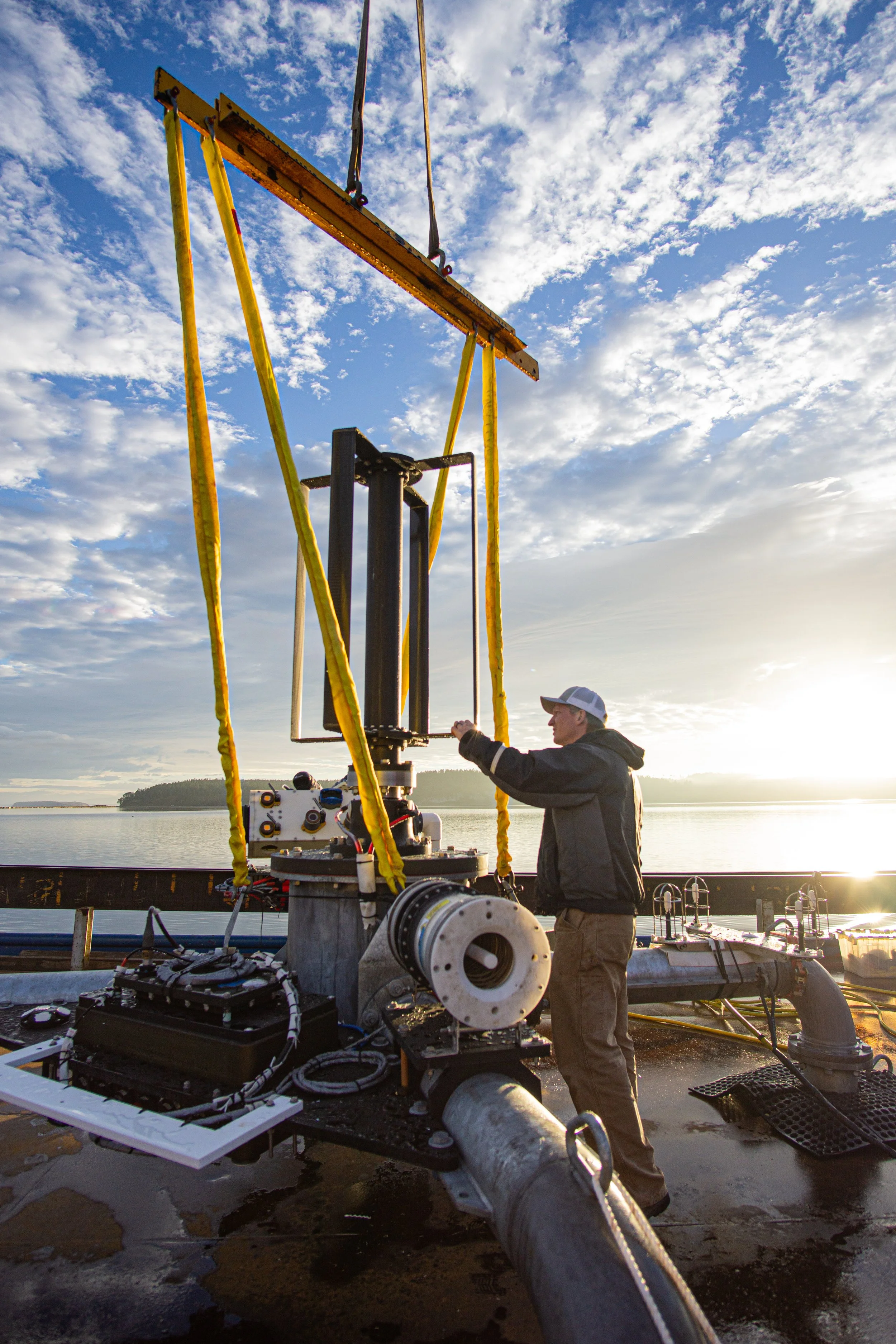
Beyond MarineSitu's durable equipment delivering unmatched reliability and continuous uptime in demanding marine environments, what truly stood out to the PNNL and UW-APL teams was MarineSitu's responsiveness. Their ability to swiftly provide data, deliver real-time updates, modify system operations and highlight key events set them apart as a trusted partner in advancing tidal energy research.
For PNNL and UW-APL, the partnership with MarineSitu was about more than just efficiency. It was about progress through collaboration. With better monitoring comes better understanding, and with better understanding comes the opportunity to build a cleaner, more sustainable energy future where technology and nature don't have to be at odds.
In the field
Ready to deploy?
MarineSitu has over $10M in DOE-funded R&D behind marine energy monitoring specifically. We work directly with energy developers, national labs, and regulatory agencies from initial system design through data delivery.
Book a demo →