The underwater domain is under-monitored
Critical undersea infrastructure, ports, and naval operating areas share a common problem: the underwater environment remains a blind spot. Existing sonar systems generate high false-alarm rates, biofouling degrades sensors within weeks, and most monitoring solutions require frequent, costly maintenance.
Detection alone is not enough. Without reliable classification, operators face alert fatigue and eroding trust in their systems. MarineSitu closes this gap with multi-sensor fusion, edge AI, and hardware built to survive for years on the seafloor.
Multi-sensor fusion at the edge
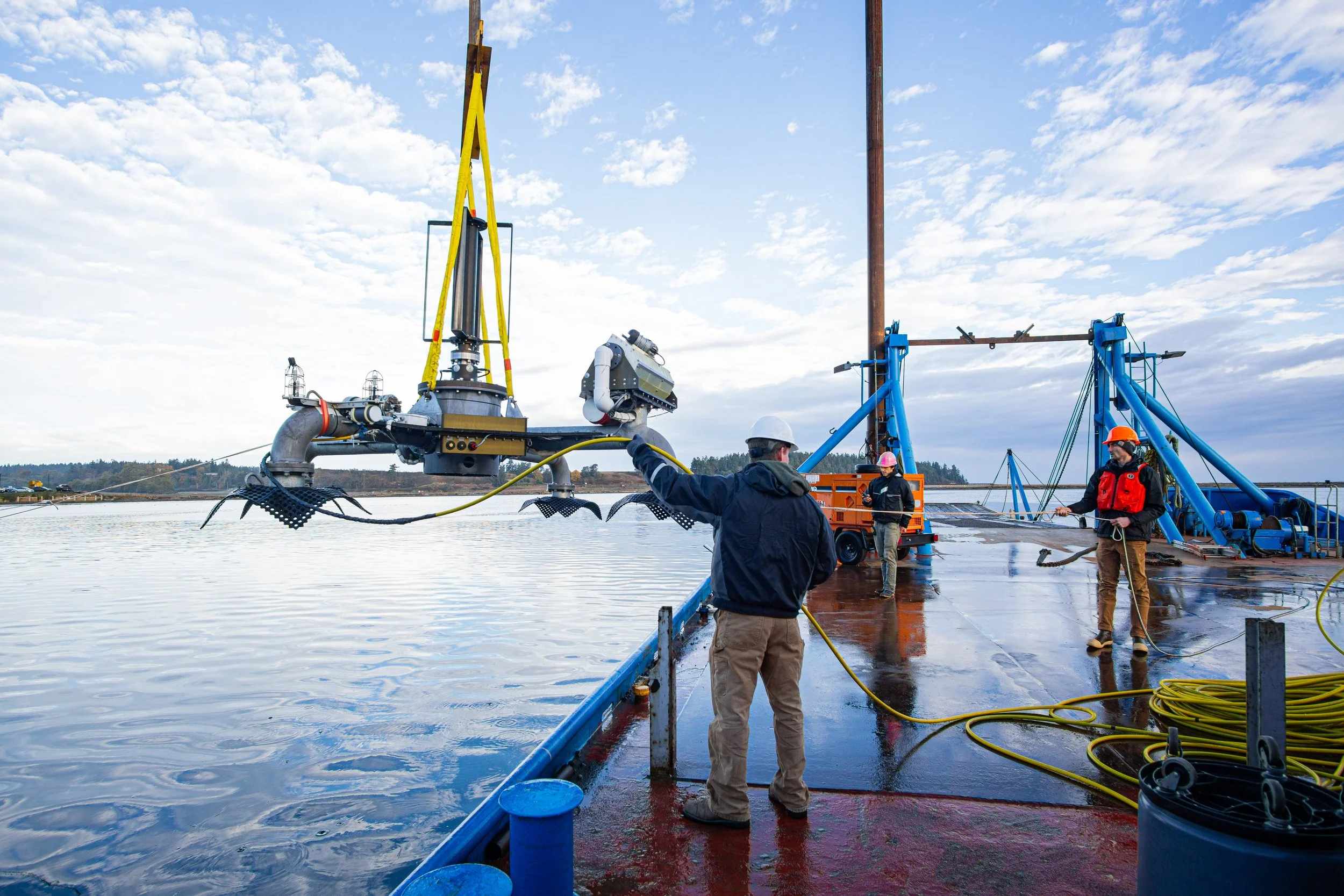
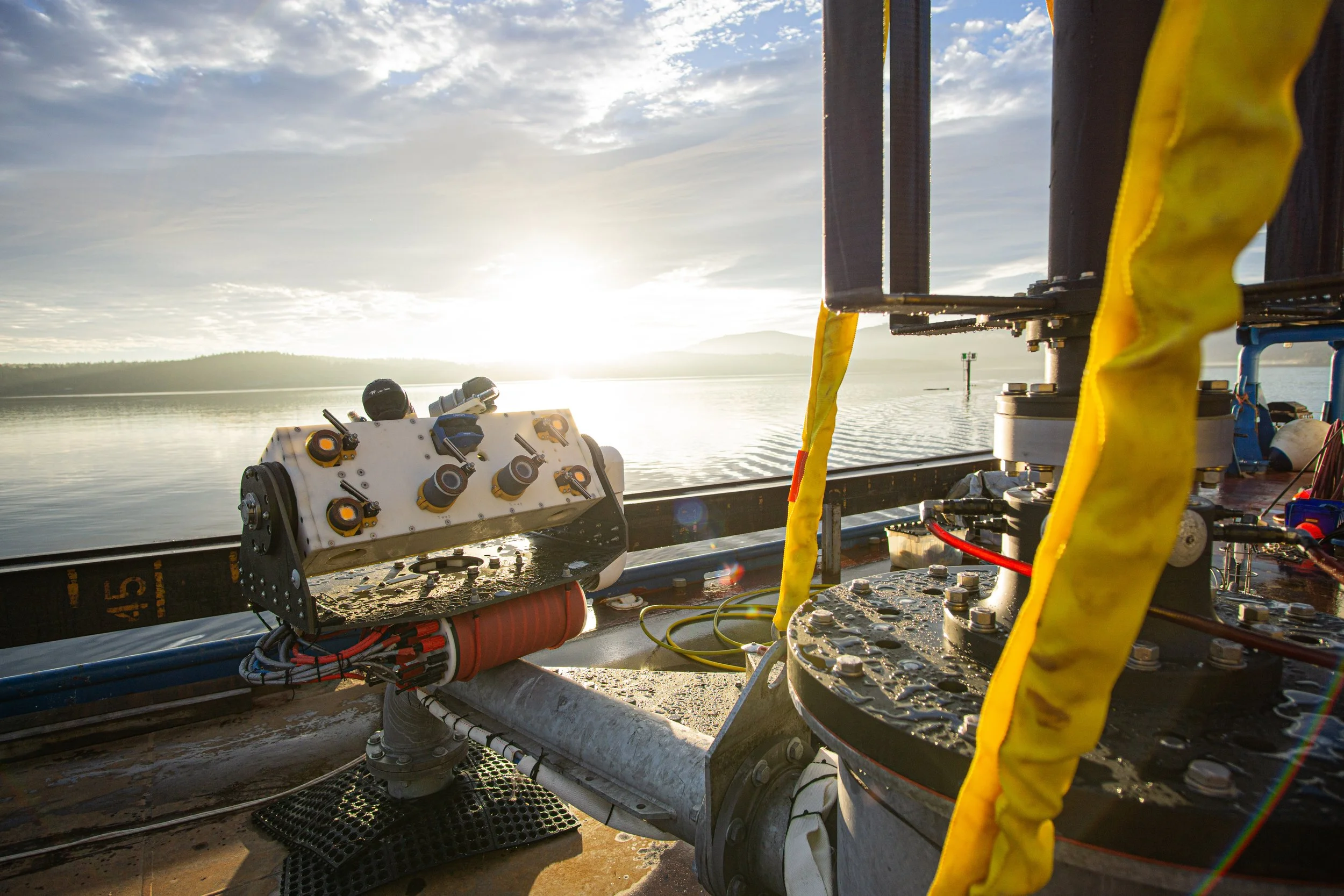
The Adaptable Monitoring Package (AMP) is a modular, multi-sensor node combining optical cameras, imaging sonar, passive acoustics, and environmental sensors into a single ruggedized platform. Real-time object and event detection operates on all sensing modalities to classify targets with far greater accuracy than any single sensor alone. All processing runs on device and on premises.
What the platform delivers
MISO sensor fusion
Multi-Input, Single Output architecture correlates detections across imaging sonar, hydrophones, and optical cameras. Classification accuracy far exceeds any single-sensor approach, reducing false alarms in complex environments.
On-device detection and classification
Real-time and actionable detections and classifications are generated at the sensor node, with no dependency on cloud connectivity.
Months-to-years unattended
Anti-fouling measures and corrosion-resistant housings enable 6 to 24+ months of continuous deployment. Over 4,000 proven operational days across all sites.
Configurable sensor packages
AMP architecture scales from single-camera nodes to multi-instrument arrays. Configure sensor mix, power, and processing for the mission.
Built for extreme environments
Validated in high-current tidal channels, arctic conditions, and deep-water installations.
Fits existing infrastructure
Standard network protocols and configurable alert thresholds. Designed to integrate with existing security management systems.
Where it applies
Undersea infrastructure protection: cables, pipelines, and subsea installations are difficult to monitor continuously. MarineSitu nodes detect and classify activity around critical assets, providing persistent awareness where periodic surveys fall short.
Port and harbor security: underwater perimeters are the weakest link in most port security plans. Multi-sensor fusion with AI-driven classification delivers reliable detection in busy, high-traffic harbor environments without operator fatigue.
Maritime domain awareness: persistent, wide-area underwater sensing for naval and coast guard operations. Edge processing delivers actionable intelligence at the sensor, reducing dependence on connectivity and central infrastructure.
Mine and explosive hazard detection: automated detection and classification of objects on or near the seafloor, supporting mine countermeasure and EOD operations with continuous monitoring capability.
Waterfront infrastructure inspection: piers, bulkheads, and waterfront structures require regular inspection that is costly and hazardous to perform manually. Continuous monitoring reduces diver risk and increases inspection frequency.
Talk to the team
MarineSitu works directly with defense organizations, port authorities, system integrators, and prime contractors. Contact us to discuss your requirements.
Book a demo →